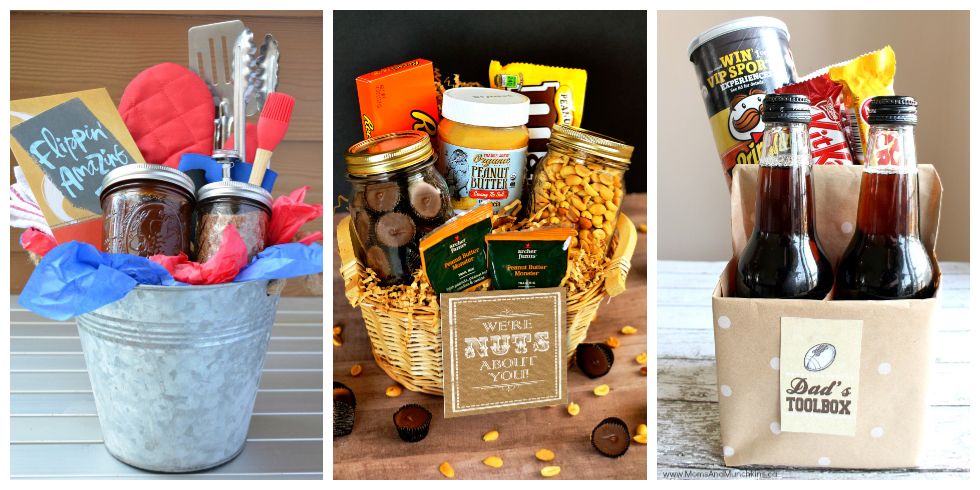
Let’s face it: finding the perfect gift is hard enough. You’ve spent hours curating items—a fancy candle, artisanal chocolates, and a bottle of rare olive oil—all meant to convey warmth and deep affection. But then you get to the Premium Father's Day Gifts presentation phase, and suddenly, your carefully selected treasure looks like it was thrown into a wicker basket with a piece of twine. A mediocre wrap can deflate even the most thoughtful gift, making all that effort feel… muted.
If gifting feels like an art form for you, understanding how to maximize its visual appeal is key. It’s not just about wrapping paper; it's about curating an experience. If you want to know the best way to present a gift hamper for maximum impact, the answer isn't a Food Lover single ribbon trick—it’s a holistic approach that treats presentation as storytelling.
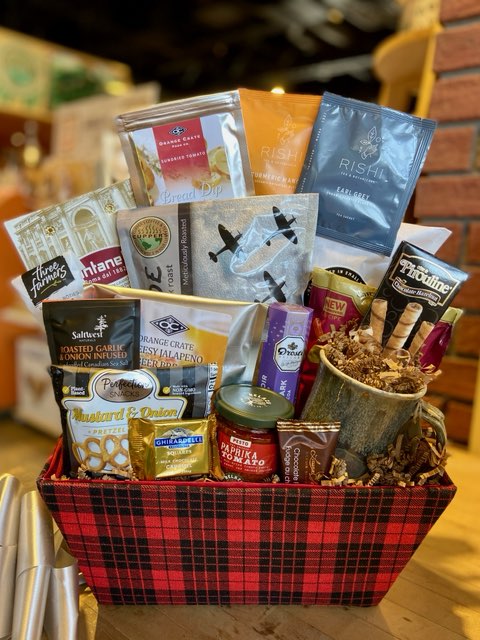
The Psychology of Unboxing: Why Presentation Matters So Much
Before we talk techniques, we need to understand why this matters so much. Giving is inherently emotional, and the act of receiving is often tied to sensory anticipation. When someone receives a gift, their brain registers not just the contents, but the entire journey leading up to them. The unboxing experience itself becomes part of the memory—a beautiful, tangible moment that lasts longer than the consumable items inside.
Think of the presentation as the opening act of a play. It sets the tone, builds anticipation, and primes the recipient for joy. A poorly presented gift is like an overly abrupt curtain drop; it leaves you hanging. Conversely, impeccable staging makes the contents feel more valuable, elevating mundane objects into luxury keepsakes. This elevated perception helps validate the immense thought that went into selecting those perfect items in the first place.
Curating a Visual Narrative: Making the Hamper Tell a Story
The biggest mistake amateur gift-givers make is treating the hamper like an assortment of unrelated objects. To achieve maximum impact, you must approach it as a cohesive narrative. Every item should feel like it belongs together on the same journey. Is this a "Cozy Autumn Evening" theme? A "Summer Mediterranean Escape"? The contents dictate the style.
To build that compelling story, focus on three core elements: color palette, complementary textures, and thematic grouping.
- Color Palette: Choose 2–3 dominant colors and subtly weave them through everything—the ribbons, the napkins, the packaging of the smaller items. If your basket contains deep forest greens and rustic browns, keep all accompanying materials within that warm, earthy family. Complementary Textures: Mix soft (cashmere socks), rough (raw linen), and smooth (polished stone soap). This variety adds depth to the touch experience. Why is varying texture so crucial? Because sensory input makes a gift feel richer than sight alone can convey. Thematic Grouping: Never just dump items in. Strategically place related objects together—the tea bags next to the biscuits, the candles near the book. This helps the recipient discover small moments of delight as they look through the arrangement.
I once received a gift hamper that was stunningly arranged: everything from artisanal mustard to miniature reading lamps fit into a cohesive "Culinary Explorer" theme. The careful grouping made me feel like I wasn't just given food; I was given an adventure.
Mastering the External Reveal: Structural Integrity and Flair
Once the contents are perfect, we move outward. This is where you control the immediate visual impact—the moment of discovery. Achieving maximum impact requires attention to structural integrity and thoughtful layering.
Instead of relying solely on a simple basket (which can look flimsy), consider opting for reusable containers like wooden crates, premium keepsake boxes, or even linen-wrapped bundles that can be repurposed later. This adds perceived value beyond the gift itself.
When wrapping, treat it like architecture. Use foundational elements first:
The Base: The main container (basket/box). The Liner: Tissue paper or crinkle-cut filler (use natural materials like shredded raffia for an elevated look). The Fillers: Small, decorative items that fill negative space and add visual interest—think dried flowers, cedar sprigs, or personalized notes.A good quote to remember here is by Pierre Bourdieu: "Taste is a system of distinction." In gifting, this means your presentation must signal effort and discernment. Does the wrapping feel expensive, even if it isn't? That’s the goal. If you can incorporate some simple elements like handwritten tags or bespoke ribbon bows (avoiding cheap plastic ones), you are halfway there.
Making the Gift Personal: The Emotional Architecture of Giving
Ultimately, no matter how perfectly executed your presentation is, nothing will compensate for a lack of personal care. This is where you transition from being an excellent gift-wrapper to a truly thoughtful giver. Do you remember what your recipient loves spending time on? Is it reading by candlelight? Baking complicated breads? The best way to present a gift hamper for maximum impact is to build the entire presentation around their life, not just around available products.
Consider adding one or two elements that feel utterly unique to them—a bookmark featuring their favorite quote, or a specialized tea blend only available in their hometown. This level of hyper-personalization transforms the hampering from an object into a conversation starter. Do you really need another fancy scented soap if they’ve already bought five? Perhaps a highly specific gourmet seasoning mix tailored to their hobby would hit harder.
When you wrap it up, remember that a handwritten note is non-negotiable. It acts as the final signature on your masterpiece. Don't just write "Happy Birthday." Write about why you value them and what memories you hope they make with the items inside.
Cultivating Gift Giving Moments That Last Beyond the Ribbon
The art of gifting is less about spending money and more about orchestrating moments of genuine connection. As you continue to refine your gifting skills, remember that every box, every bow, and every carefully chosen item contributes to a larger sense of appreciation. Don't view presentation as a chore; see it as the final flourish—the perfect curtain call for an act of love.
Next time you gather items for someone special, pause. Look at the basket not just as contents, but as a story waiting to unfold. By paying attention to the interplay between texture, theme, and personal meaning, you will naturally master best way to present a gift hamper for maximum impact, transforming a simple package into an unforgettable memory capsule. Start practicing these principles today, and watch your gifting glow with unmatched brilliance.